How Baton Helped a Former Investment Banker Find the Right Business to Buy
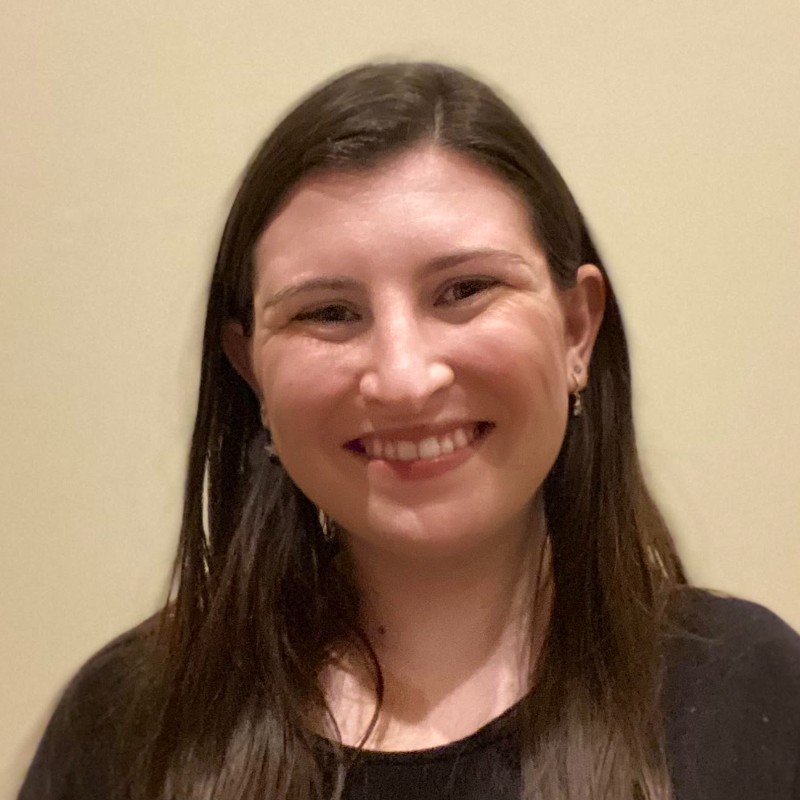
Rachel Horner
July 21, 2026 ⋅ 7 min read
About the Buyer and Their Business
Name: Brendan Feinberg
Background: Investment banking, M&A advisory, and operating roles
Acquired: FloorCare Specialists
Industry: Gym-floor and basketball-court services
Location: Atlanta, Georgia
Brendan Feinberg spent nearly twenty years getting ready to buy a business without knowing it. He started in investment banking, left for a startup, went back to advising companies on sales and capital raises, then crossed over to operating.
But what he really wanted was to be a CEO, with everything that came with it. "It felt like CEO was the job that I wanted, but I wasn't gonna get hired for it." So he set aside 18 months, consulted on the side to manage cash flow, and went looking.
"Getting a real job was not the plan if I could avoid it."
Meet the Buyer
Finding the right business on a curated marketplace
The search for a business to buy is mostly a matter of volume. Hundreds of companies cross the desk, but most don't hold up to scrutiny
"I would probably make an offer on one out of 500 businesses that I would see. If I'm seeing a thousand deals a month, it's like one or two bids."
Baton solved that problem for him, with real financials, vetted listings, and data he could trust.
"The Baton platform is better designed, better organized than most other marketplace platforms..it's really important to just get good data so you're not wasting your time. It was really easy to get there with Baton based on the way the financials are curated and presented. It gives you some trust that the data has been reviewed by somebody, which I know that it has."
The detail he valued most was the recorded seller interview on each listing. For Brendan, the person on the other side of a deal matters as much as the business, and getting a read on that usually takes a round of first calls with sellers who may or may not be able to close. The interview did it in advance.
"I came out of watching all those videos not having any of the additional questions I would have on a first call. It was all set. So I just didn't have to have that call."
FloorCare Specialists cleared his screen fast. Good margins, right size, a business he felt he could run without a specialized skill he didn't have. "It's rare to find a business that looks as good on the surface as Floor Care did," he said.
Watch the Video
The challenge: navigating SBA financing
A first-time SBA acquisition rarely goes exactly to plan, and Brendan's took some patience.
He and Duncan agreed on a deal, and Brendan went to market, secured a term sheet from a top-five SBA lender, and completed diligence. When that lender's timeline didn't come together the way he'd hoped, he went back to the market, lined up a new bank, and closed. Because he already had the full package assembled, the second round moved quickly.
The SBA process rewards persistence, and Brendan had the experience to keep it moving, but what really carried the deal was the relationship. He'd known Duncan only a couple of months when the financing timeline stretched, and a less patient seller might have walked. Duncan didn't.
"He could have been flighty and been like, you did your best, I'm gonna go somewhere else. And he didn't. He stuck with me and let me go figure it out."
Serena, their advisor, was a steady presence through the process. As the person who had built the listing on day one and stayed with it all the way to close, she carried the full history of the deal and could reassure Duncan when he wanted to know it was really going to happen.
"Having good advisors on the sell side is just critical when you're on the buy side too…it's a really important role, and I'm grateful we had Serena and you guys to sit in between and help us manage through the whole process."
How he got the deal structure he wanted
The deal structure was built to reduce cash at close and to signal to the bank that the seller had confidence in the business. Duncan rolled 5% equity, keeping skin in the game. He carried a seller note of roughly 10% of the deal, which Brendan describes as "almost an insurance policy" for the buyer and a signal to the bank that "this owner isn't hiding things." The SBA loan covered the bulk, roughly $2.5 million, and Brendan deliberately raised a bit more than he strictly needed so there'd be extra cash on the balance sheet for working capital.
The math all points back to one number: debt service. At about $380K a year in payments against roughly $700K in earnings, the deal cleared a debt-service coverage ratio near 1.8x, comfortably above what lenders want to see. That, Brendan says, is why so many of these deals land at similar prices. "You can't go to the seller and say I'll pay you 10 times earnings, because you could never underwrite that deal." Everyone is back-solving for what the business can service.
What's next for Brendan?
Brendan doesn't live in Atlanta. Through the first months he commuted three days a week, early Monday to late Wednesday, meeting big customers, taking the team to lunch, buying bagels, mostly just being present.
"It's not about getting them stuff," he said. "It's about getting them to see you living and working." He was deliberate about not demanding anything from anyone on arrival. "Forget trust. I'm not gonna come in here and force somebody to trust me. Trust gets built over time."
Building on that foundation, he's already moving on a second deal, a company in Florida doing the same basketball-court work, whose territory meets his in North Florida. Financed privately this time, it's the next step toward a dominant Southeast platform.
He also chose the industry partly because of what it can't be. The work is physical and local, and it isn't going anywhere. He uses AI to run the business faster, turning a hundred-page RFP that used to take weeks into a day of work, but only as leverage on top of good people and good data, not a replacement for either.
Brendan's advice for first-time buyers
Build a cohort. Brendan's monthly group of like-minded searchers became one of his most valuable assets. "Lots of really good benefits to having that kind of mind meld of like-minded folks."
Understand working capital before you close. It's the detail Brendan says first-time buyers underestimate most. Small businesses run tight on cash, and where you land in the seasonal cycle can swing how much cash is actually on the balance sheet at close. He walked Duncan through it plainly: set a fair target based on the business's normal cycle, then true up at closing so neither side wins or loses on timing. Framed that way, a negotiation that can turn into a tug-of-war becomes a fairness question both sides can agree on. "There should be enough to go around if the business is good."
Surround yourself with advisors who've done it before, on every side. "Having good advisors on the sell side is just critical when you're on the buy side too." A good lawyer, a good broker, an operating mentor you can call once a month. "Somebody in your life who has gone through this before who you can just check in with."
Bet on yourself, and go. "As scary or risky as it can feel, it's also an equal amount of upside, in every possible way, the amount of control you have and the amount of financial upside." His framing of the whole strategy is the cleanest summary of why buyers choose this path: "Some people are built to build from scratch. I'd rather buy all this great stuff Duncan has done and build from here." And in the end: "You only get one life, so you might as well give it a try."